Top 5 Home Sewing Machines 2026

These are my top six sewing machine picks for anyone. They are perfect for people who have been sewing for a while and for beginners looking for a sewing machine that they can grow with.


Every product comparison is based on the author’s own hands-on experience, independent research, and honest judgment. No brand pays for placement, praise, or a prettier seat at the table.

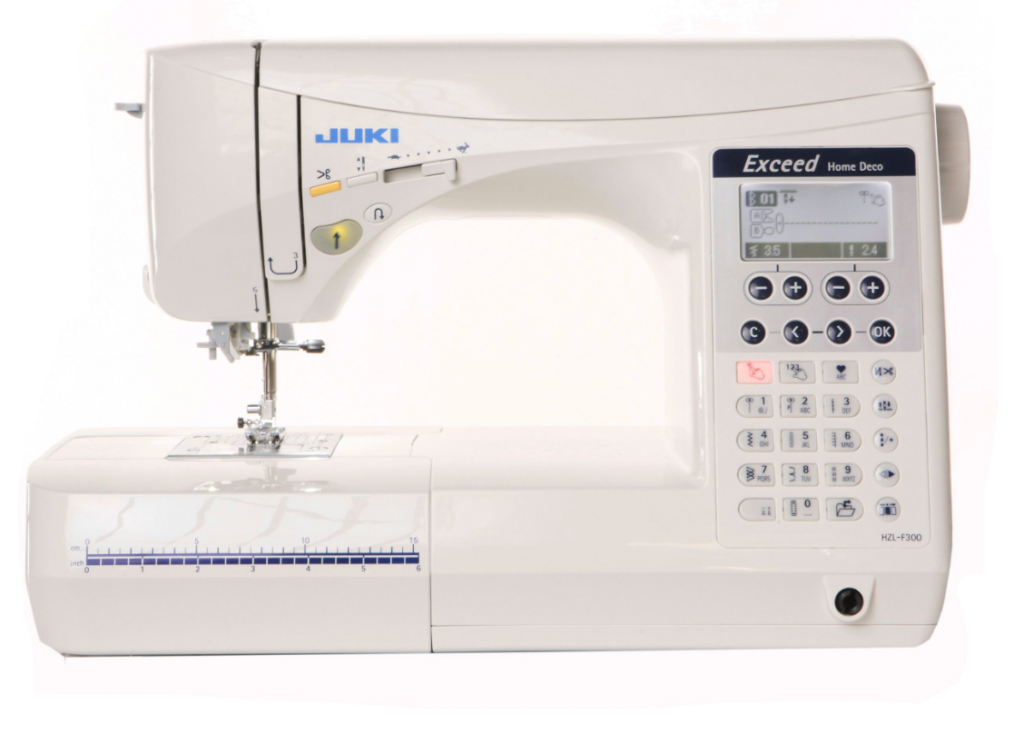
Juki HZL-F300
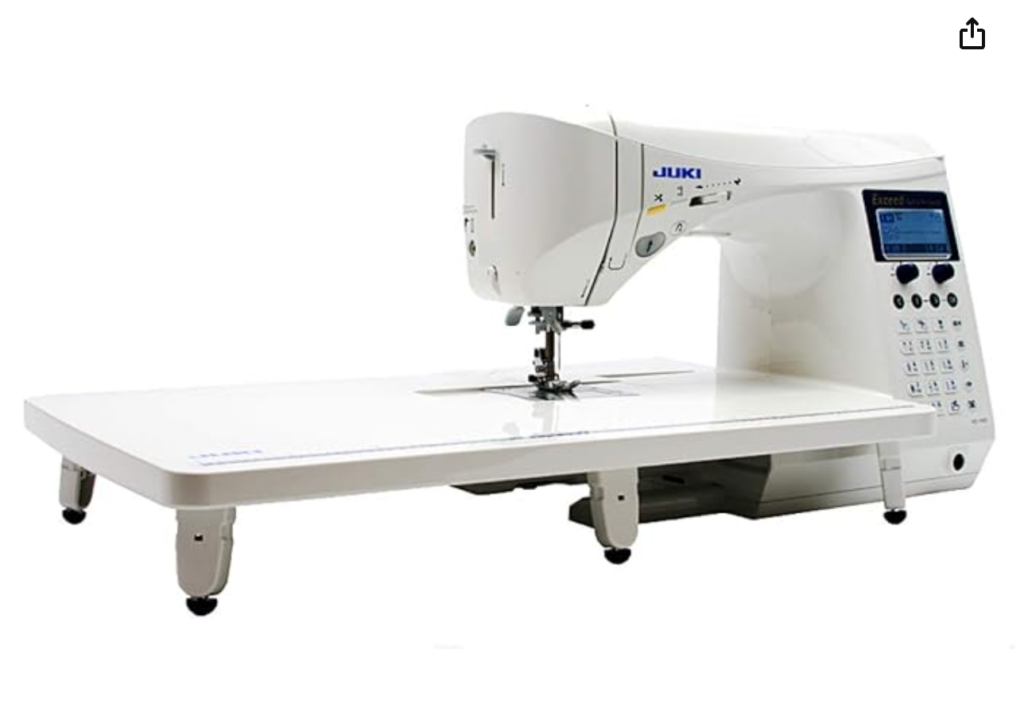
Juki HZL-F600
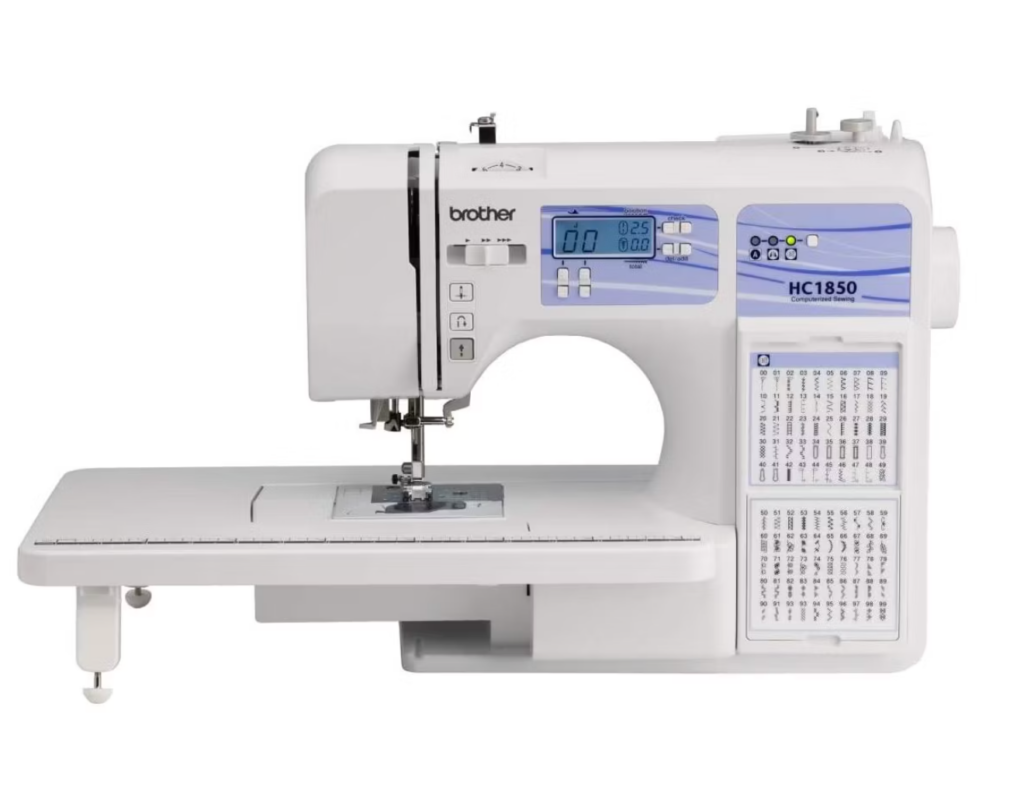
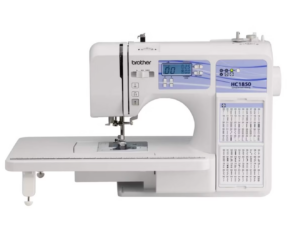
Brother HC1850
Stitch Quality
10
10
8
Buttonholes
8
8.5
7
Stretch Fabric Sewing
9
9
8
Heavy Fabric Sewing
10
10
8

My top two choices are very similar. The main difference between them is that the HZL-F600 comes with a knee lifter and an extension table, while the HZL-F300 doesn’t. The HZL-F600 also has slightly better lighting and more stitch types. Both the HZL-F300 and the HZL-F600 are workhorses that can sew everything from lightweight chiffon to heavy denim without a problem. These are the best sewing machines on the market in their price range.

The Brother HC1850 is the best home sewing machine that you can get for the price. It’s not going to give you results as professional as the other models in this article will, but it’s great if you’re on a budget. If you are on a budget, these are my six favorite sewing machines under $600 (link).

When you’re deciding on a home sewing machine, these are the things you need to think about:


  1. What projects do you want to make? Look for machines that have the specific features you need. Trust me—there is nothing worse than having skipped stitches and getting your needle stuck because you’re using a crappy machine!
  2. OfferUp and Facebook Marketplace can be great for finding used sewing machines, but they won’t offer returns, and a lot of the sewing machines on there are missing manuals or parts.  
  3. I’ve already tested all of these machines for you, but if for whatever reason you are thinking of getting a sewing machine not on this list, it’s a good idea to test machines at a local retailer before you buy. Try them on thick and thin fabrics to make sure they have the stitch quality you want.


I would hate to see you waste your money on a terrible sewing machine.


These are some noteworthy runner-ups!

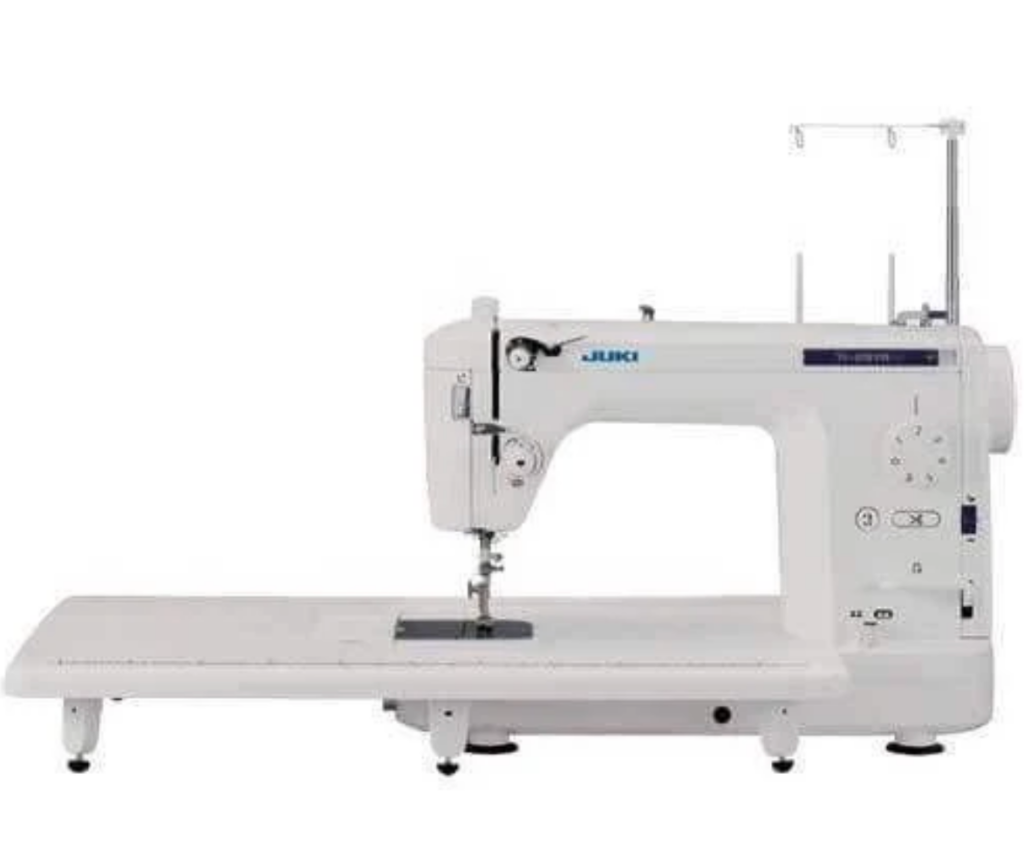
Juki TL-2010Q
6.5 Overall Score
> > > > >
Stitch Quality 10.0
Buttonholes 5.0
Stretch Fabric Sewing 1.0
Heavy Fabric Sewing 10.0

pros

  1. Industrial-quality stitching 
  2. Automatic thread trimmer
  3. Large throat space 
  4. Includes knee-lift

cons

  1. Requires a special foot to sew buttonholes
  2. Only does a straight stitch
  3. Heavy
  4. Higher price point

This machine is perfect if you want a reliable, heavy-duty machine and don’t need decorative stitches. It works great on both heavy and lightweight fabrics. The automatic thread cutter and knee lifter are huge time-savers! If you’re thinking about buying an industrial sewing machine but want a more compact option, this is the machine for you.


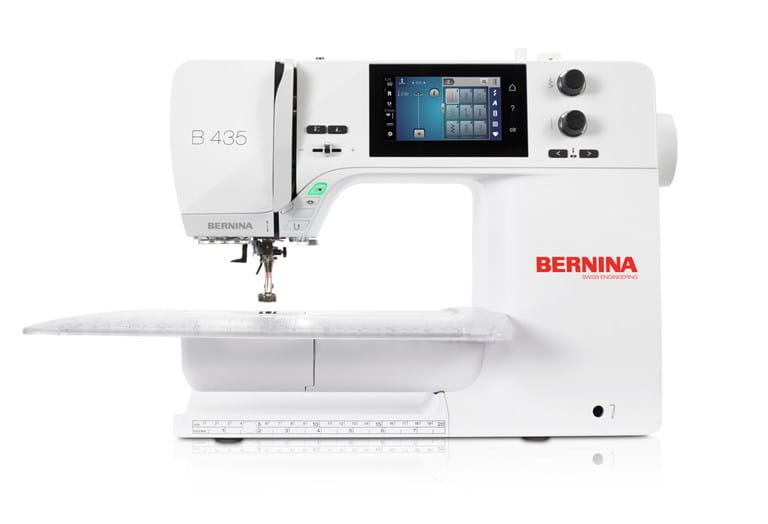
Bernina 435
9.3 Overall Score
> > > > >
Stitch Quality 10.0
Buttonholes 8.0
Stretch Fabric Sewing 9.0
Heavy Fabric Sewing 10.0

pros

  1. Extra large bobbin
  2. Large LCD display
  3. Automatic needle threader
  4. Adjustable presser foot pressure

cons

  1. Pricey
  2. Expensive presser feet and accessories
  3. Not a lot of sewing surface for the cost
  4. Some reviewers noted issues with threads breaking

Bernina is the BMW of the sewing machine world: luxurious and smooth, but expensive to own. The Bernina 435 is a great machine, but I think the Juki HZL-F300 and Juki HZL-F600 are better choices in terms of reliability and features, for $1,000 less. One thing that Bernina does have over the other models is their proprietary XL bobbin. Because there’s nothing more frustrating than realizing that your bobbin ran out of thread 100 stitches ago!

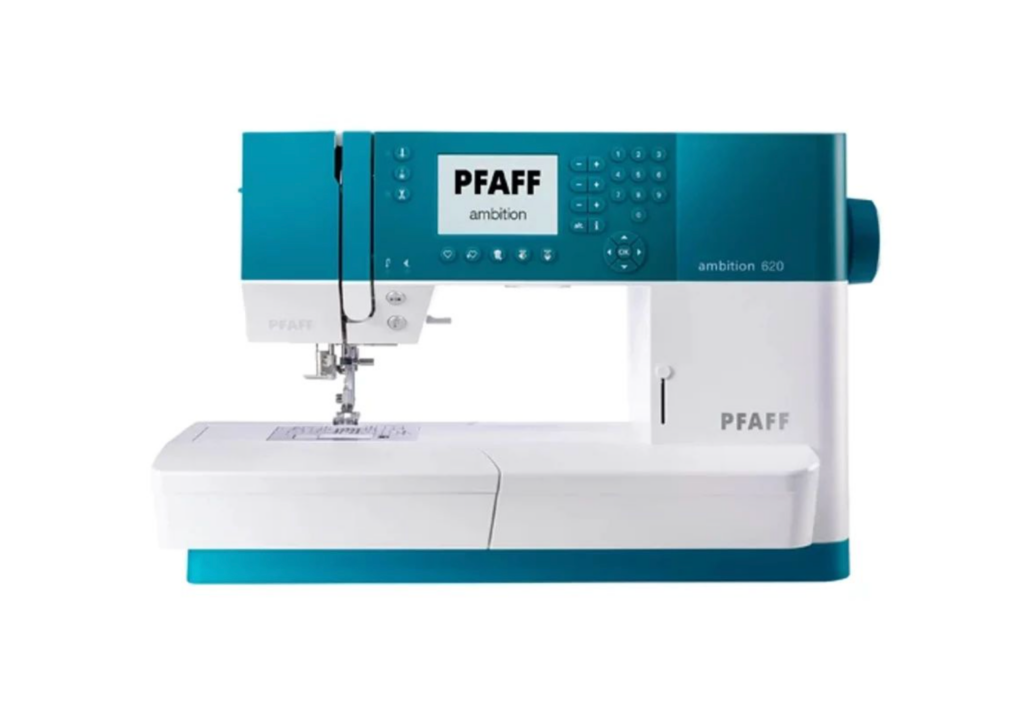
Pfaff Quilt Ambition 620
8.5 Overall Score
> > > > >
Stitch Quality 9.0
Buttonholes 8.0
Stretch Fabric Sewing 9.0
Heavy Fabric Sewing 8.0

pros

  1. Large sewing space
  2. Great for stretch fabrics
  3. Automatic thread cutter
  4. Easy to use

cons

  1. Not the best stitch quality 
  2. Can have trouble stitching through multiple layers of thick fabrics
  3. Tension issues 

The Pfaff Quilt Ambition 620 is a popular quilting machine. It also works well on knit fabrics because of the Pfaff IDT™ system, which feeds fabric layers evenly without the need for a walking foot. Even with that feature, it doesn’t perform as well overall as the other higher-priced machines in this article—especially on heavy fabrics.

If you’re a serious quilter, this could be the machine for you. If not, buy a Juki. Honestly, even if you are a serious quilter, you should probably just buy a Juki (I promise I’m not sponsored!).

I personally own a Juki TL-2010Q, and I love it. That’s because I also own a Bernina that handles zigzag stitches and, of course, a Baby Lock serger. If you’re like me and already have a machine or serger that works well with stretch fabrics, and you just want a heavy-duty workhorse for thicker fabrics, the TL-2010Q is the most reliable machine you can get for your home.

If you don’t already own a machine that’s good with stretch fabrics, get the Juki HZL-F300 or HZL-F600. They’re amazing all-around machines that will help you get the most out of your sewing projects.

Having a high-quality sewing machine makes a huge difference—even if the only sewing you’re planning to do is hemming your pants!

There are so many sewing machine reviews out there, and it’s hard to know who to trust. I’m pretty sure that most of the people writing “top three sewing machine” articles have never even owned one.

Why should you trust me? I’ve been sewing for 15 years. I’ve owned lots of sewing machines, and I worked at the fashion school at Seattle Central College where we received donations of many home sewing machines, which I would test. I’ve sewn in studios with a variety of lower-end Janome machines. Not good.

When I was in fashion school (also at Seattle Central College), we used industrial sewing machines. They were absolute workhorses, and that’s the standard of stitching that I compare every home sewing machine to.

Frequently asked questions

Yes, all of the machines except for the Juki HZL-F300 include extension tables. Extension tables aren’t necessary, but they are great because they make your work surface bigger and give you more control, especially when working on larger projects. Even if you buy a machine that doesn’t come with one, you can buy an extension table online to fit it.
Any of these machines will work for quilting, but the Juki TL-2010Q has an extra large 9” throat space which gives you way more surface for quilting. If you’re looking for a machine that does more than just straight stitches, the Juki HZL-F300 and Juki HZL-F600 also have large throat spaces (8”). Why are so many of my top picks are Jukis? Because they are the best. Ask anyone who owns one, and they will tell you the same thing. Once I got a Juki, I never looked back.
If you are planning on sewing often and can afford it, get the Juki HZL-F300. There will be a bit of a learning curve, but you’ll have a great sewing experience once you know how to use it. If you’re on a budget, the Brother HC1850 is a really good machine for the price.
This is a great question! When you’re sewing woven fabrics, you’ll most often use a straight stitch. If you’re sewing stretch fabrics, you’ll want to use a zigzag stitch. The machines in this article (excluding the Juki TL-2010Q) have between 60 and 225 stitches. Different stitches can be used for finishing edges, repairing holes, and decorating; but most of them, you’ll never use.
If you’re oiling and cleaning it regularly, your sewing machine can last for 10 to 20 years or longer, especially the higher-end models, which are sturdier and less likely to break down. The most important thing is to get your machine serviced regularly and keep it somewhere safe: away from moisture, dust, and destructive people (I learned that one the hard way!).
Industrial sewing machines are made for high-speed and large-volume sewing. These are the types of machines used in factories. In fashion school, we used only industrial machines, and I loved them. Here are the downsides of industrial sewing machines: – They’re expensive – They’re really heavy Each machine is generally only used for one type of stitch The Juki TL-2010Q is a “semi-industrial” home machine, so if you’re going to be doing a lot of heavy-duty sewing, it’s a great alternative to a true industrial sewing machine. I personally own one, and I love it!
I love all things fashion and beauty and I’m passionate about finding and sharing the products that are worth using.

Other product comparisons