Best Men’s Running Shoes in 2026

Whether you’re training for a marathon or just jogging around the neighborhood, here are the shoes you should be wearing.

Every product comparison is based on the author’s own hands-on experience, independent research, and honest judgment. No brand pays for placement, praise, or a prettier seat at the table.

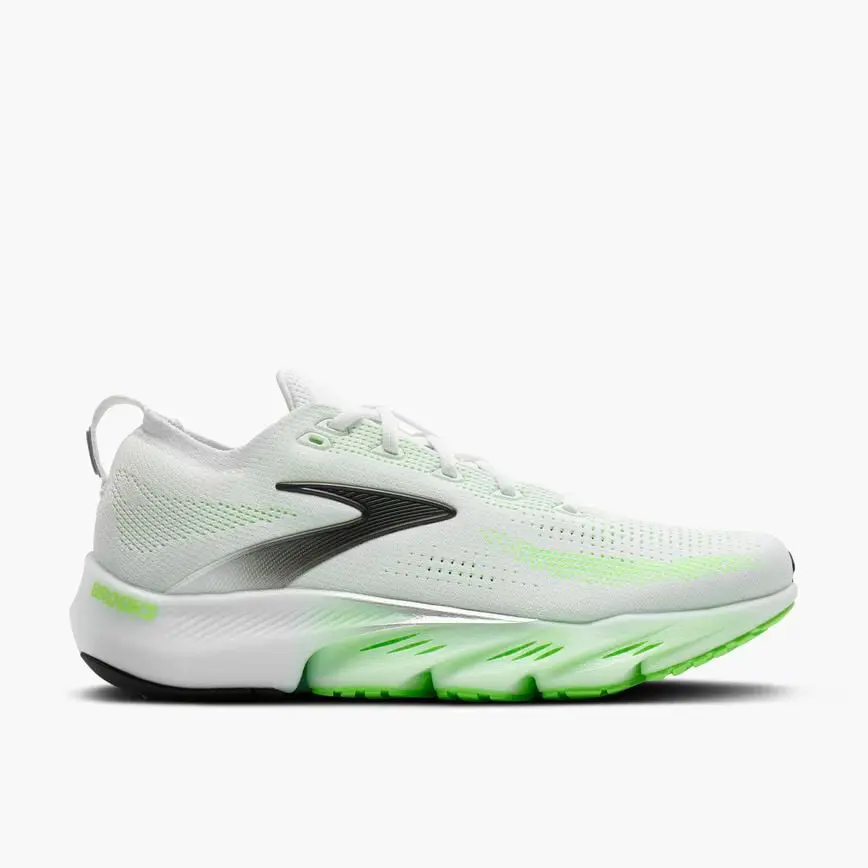
Brooks Glycerin Flex
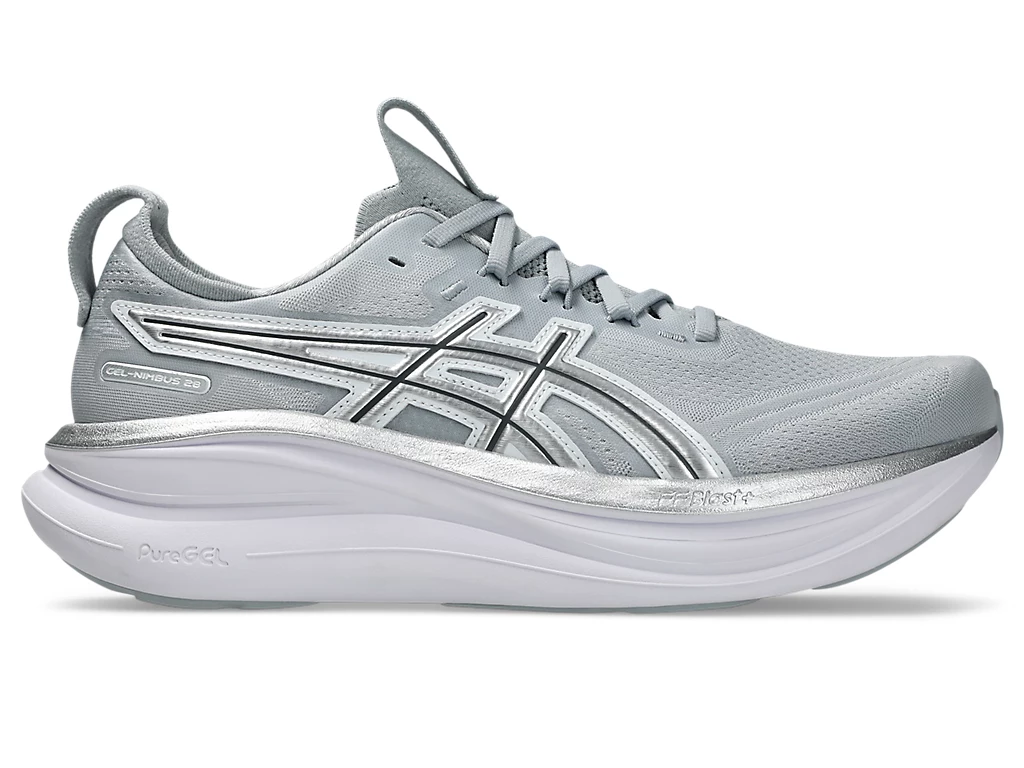
Asics GEL-NIMBUS 28 ATC
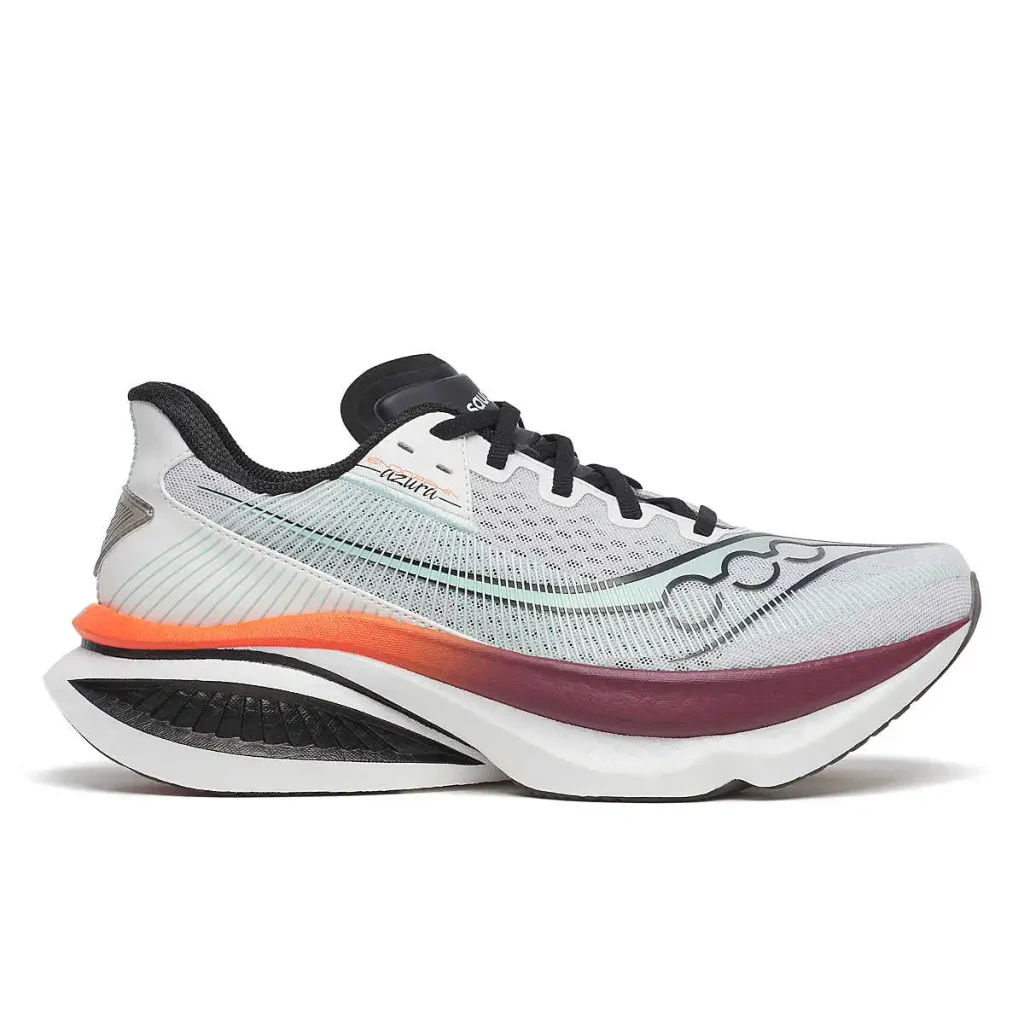
Saucony Endorphin Azura
Intended Use Case
Daily trainer designed for runners who want plush cushioning without stiffness for natural and flexible foot movement.
Built for long-distance runs and heavy mileage, offering a stable, light feel with enhanced outsole grip for varied road conditions.
A lightweight super trainer for uptempo workouts and daily miles in which you want the high energy feel of racing foam.
Heel-to-Toe Drop
Features a 36mm heel and a 30mm forefoot stack height, making it the most grounded and lowest-profile shoe of this group, prioritizing flexibility.
This model has a 43.5mm heel and a 35.5mm forefoot stack, offering the most maximalist protection of the three. Designed for maximum shock absorption.
Uses a 40mm heel and 32mm forefoot stack of high-rebound foam. This height provides a protective but springy ride. Works well for both daily training and faster tempos.
Outsole Grip & Traction
Features RoadTack rubber strategically placed in high-wear zones to maintain a lightweight feel without sacrificing durability.
This is an "All Terrain Club" edition, providing superior traction on both wet pavement and light gravel.
This shoe prioritizes weight savings and high-speed road grip, making it effective for dry pavement and track surfaces.
Weight
Weighs approximately 8.8 oz for a men’s US size 9. Despite its cushioned profile, it stays lightweight making it a lean and agile daily trainer.
At roughly 9.9 oz for a men's US size 9, it is impressively light for a max-cushion shoe with a stack height exceeding 43mm.
Weighing in at 8.5 oz for a men’s US size 9, it’s the lightest of the trio, allowing it to feel exceptionally fast and unrestrictive on the foot.
Stability Mechanics
Its decoupled outsole allows the heel and forefoot to move independently, providing a stable yet unrestrictive platform. The S-curved midsole channel guides the foot's natural motion.
With a maximalist wide base and raised foam sidewalls, this shoe keeps the foot centered while in stride. The PureGEL™ insert in the heel prevents compressions and provides stability.
SPEEDROLL technology provides a stable, forward-rolling sensation without the need for a rigid plate. The high sidewalls help the foot sit deeper into the cushioning.

For those looking for a running shoe with the most versatility, the new Glycerin Flex from Brooks might be your best choice.

  • Superior daily versatility for gym work to long runs
  • Unmatched natural feel from the decoupled midsole
  • Most stable and grounded ride thanks to the low stack height
  • “Goldilocks” weight; not too heavy, not too light
  • Accommodates varying foot shapes for comfort

While the ASICS GEL-NIMBUS 28 ATC can be great for higher-mileage runners and the Saucony Endorphin Azura is great for sprinters, the Brooks Glycerin Flex is the overall champion.

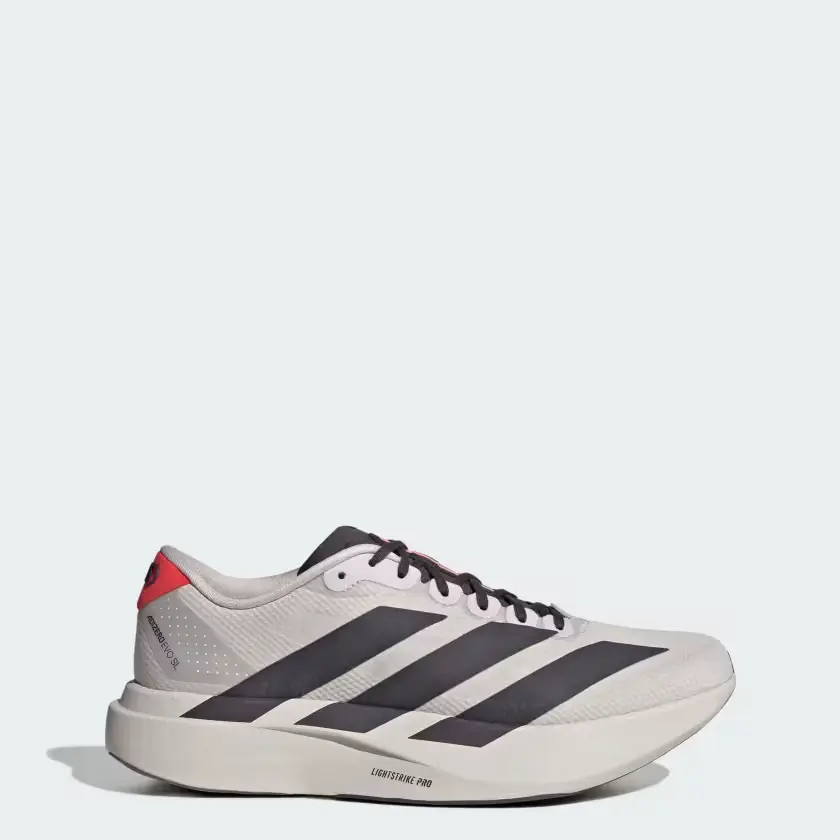
Adidas Adizero Evo SL (Audi Revolut F1 Team Edition)
7.8 Overall Score
> > > > >
Comfort 8.0
Speed 8.0
Versatility 9.0
Durability 6.0

pros

  • Top-tier foam feels great underfoot
  • One of the lightest trainers available
  • No stiff plates. Natural feel that moves with you
  • Good for slow runs or fast sprints

cons

  • No carbon plate to help you “pop”
  • Not much padding on top of the foot
  • Lightweight foam can flatten out early
  • Lacks the structure of a supportive shoe

A unique collaboration with the Audi Revolut F1 Team that prioritizes a natural but high-performance ride. It is lightweight and flexible, making it a versatile pick for runners who want elite foam without the stiffness of carbon.

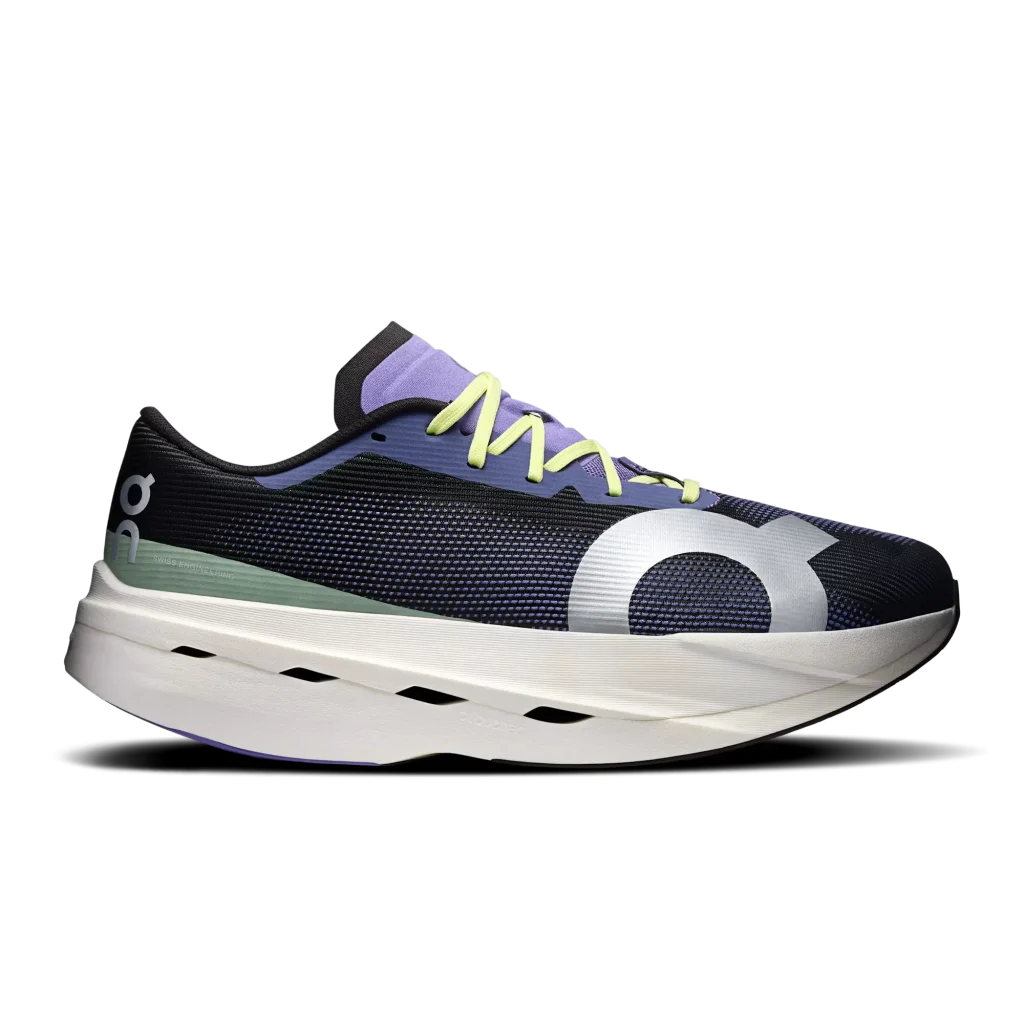
On Cloudboom Volt
7.3 Overall Score
> > > > >
Comfort 7.0
Speed 9.0
Versatility 6.0
Durability 7.0

pros

  • Carbon plate provides extra spring to help you push off faster
  • Premium foam is super bouncy, giving back lots of energy
  • Lightweight, won’t feel heavy on your feet
  • Steep forefoot provides fast rolling

cons

  • Very stiff and not flexible enough for walking
  • Can feel narrow in the toes
  • Tall, high foam can feel wobbly on corners
  • Foam loses its bounce faster than daily trainers

Designed as a super shot, balancing high energy return with enough durability to handle both intervals and race day.

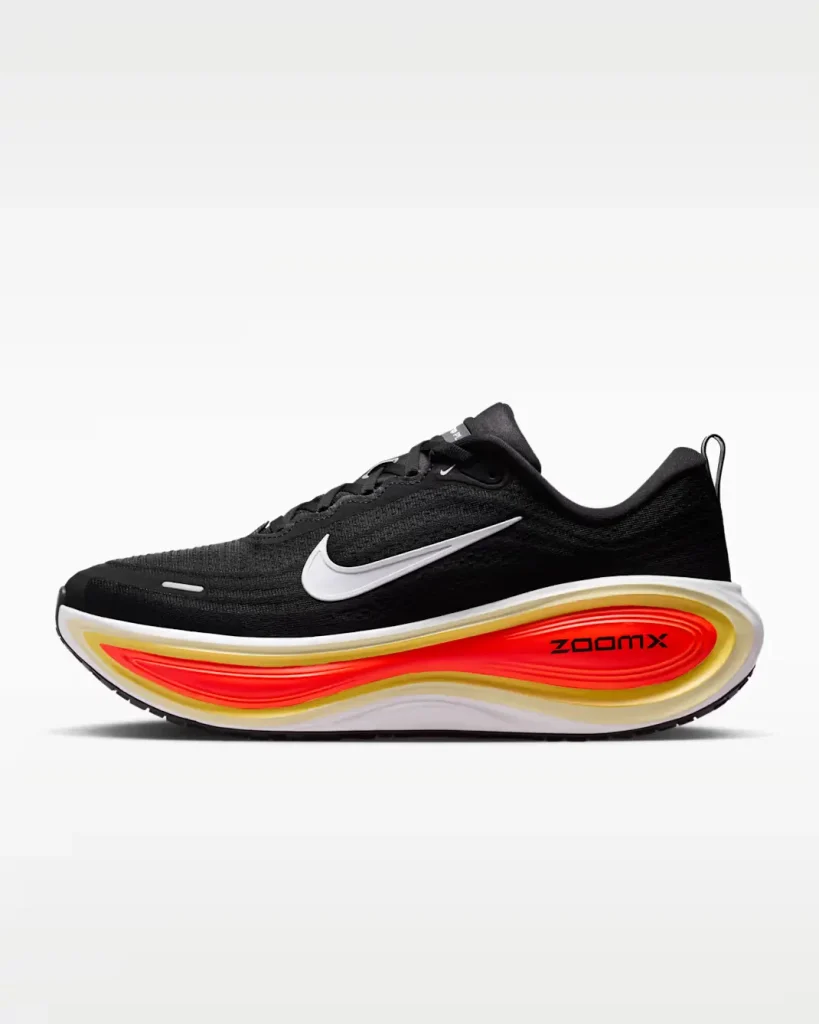
Nike Vomero Plus
7.8 Overall Score
> > > > >
Comfort 10.0
Speed 6.0
Versatility 7.0
Durability 8.0

pros

  • Massive stack height saves your legs on long days
  • Super soft; Feels like running on pillows from start to finish
  • Plush padding around the ankle for a luxury feel
  • Built to handle hundreds of miles without wearing out

cons

  • Much chunkier than racing or speed-focused shoes
  • Thick, padded upper doesn’t breathe well in summer
  • Soft foam can feel unstable on uneven ground
  • Very expensive for a shoe meant for easy runs

This shoe is built for maximum impact protection. It features a wider platform and raised foam sidewalls to help stabilization.

Each runner has unique preferences based on a myriad of factors. I hope this comparison breakdown is helpful to you, whether you’ve been running for decades or are just getting into the sport.

Frequently asked questions

The best place to try on these shoes and more is typically a running specialty store like Fleet Feet or a local independent shop as they typically carry all of these brands and offer treadmills for test runs. You can also find them at most major retailers like Dick’s Sporting Goods.
The Nike Alphafly 3 and adidas Adizero Adios Pro 4 remain the most popular choices for competitive marathoners due to their elite energy return. For the middle of the pack runner, the ASICS Superblast 2 and Saucony Endorphin Pro 4 are the top picks.
The Saucony Endorphin Azura is the best for treadmill running because its lightweight, breathable design and high-traction outsole excel on the consistent, dry surface of a belt.
Yes, all three models have women-specific versions that are tailored with narrower heels and softer midsole densities to better suit female biomechanics and lower body weights.
It is generally recommended to replace running shoes every 300 to 500 miles, or roughly every 4 to 6 months if you run about 20 miles per week. You should also watch for warning signs like persistent new aches in your knees or feet.
Most runners do not need aftermarket insoles because the stock liners in modern shoes are designed to complement the specific foam technology. However, if you have very flat feet or high arches, a low-profile insole can help stabilize your foot without interfering with the super foam bounce.
Daniel Gonzalez
Scaling Consumer Product Brands on Amazon
I love participating in half marathons and running up and down the coast of North County San Diego.

Other product comparisons